I read an important little book written by a nun when I lived in Nagoya, Japan. I guess I was thirty-two or thirty-three years old. I got the little book, small in trim size and under sixty pages in length, at the international book store two floors below my office. We were on the fifth floor, and the store was on the third floor. And below the bookstore two floors, on the ground floor, was an international food store. Needless to say, between them, they got a fair amount of my monthly salary. The little book was about haiku. The writer was a devotee. She explained the history of the three-line poetic form. It had been the pastime of courtesans for one thing: After dinner at the imperial court, sitting around—you say a line, I say a line—it went like that.
She also answered questions like: For haiku in English, do we follow the 5-7-5 rule, that is, do we write the three lines using a strict syllable count, or can we be more freestyle? We can be more freestyle, surely. Syllable counts in the two languages do not mesh properly. All you need to do is capture a moment, a thought, something with a glimmer of seasonal nature, perhaps a moment of realization. My mother did it all the time; she loved nature and made lovely observations—they were haiku in spirit. And that’s what you should do.
I went on from there and submitted haiku to a start-up column in the English-language newspaper Mainichi Daily News. One day, arriving at the office, I was surprised when the teacher coordinator read my haiku out loud, from the open newspaper on his desk: Noise from the alley – Falls through the open window – Because it is spring. It was the middle of spring at that point; he gestured toward the screened, but opened window behind his desk, which opened onto a busy alleyway.
I said, Yes, that’s it.
He said, That’s a good haiku.
My colleagues, sitting at their desks, looked at me.
I said, Thanks.
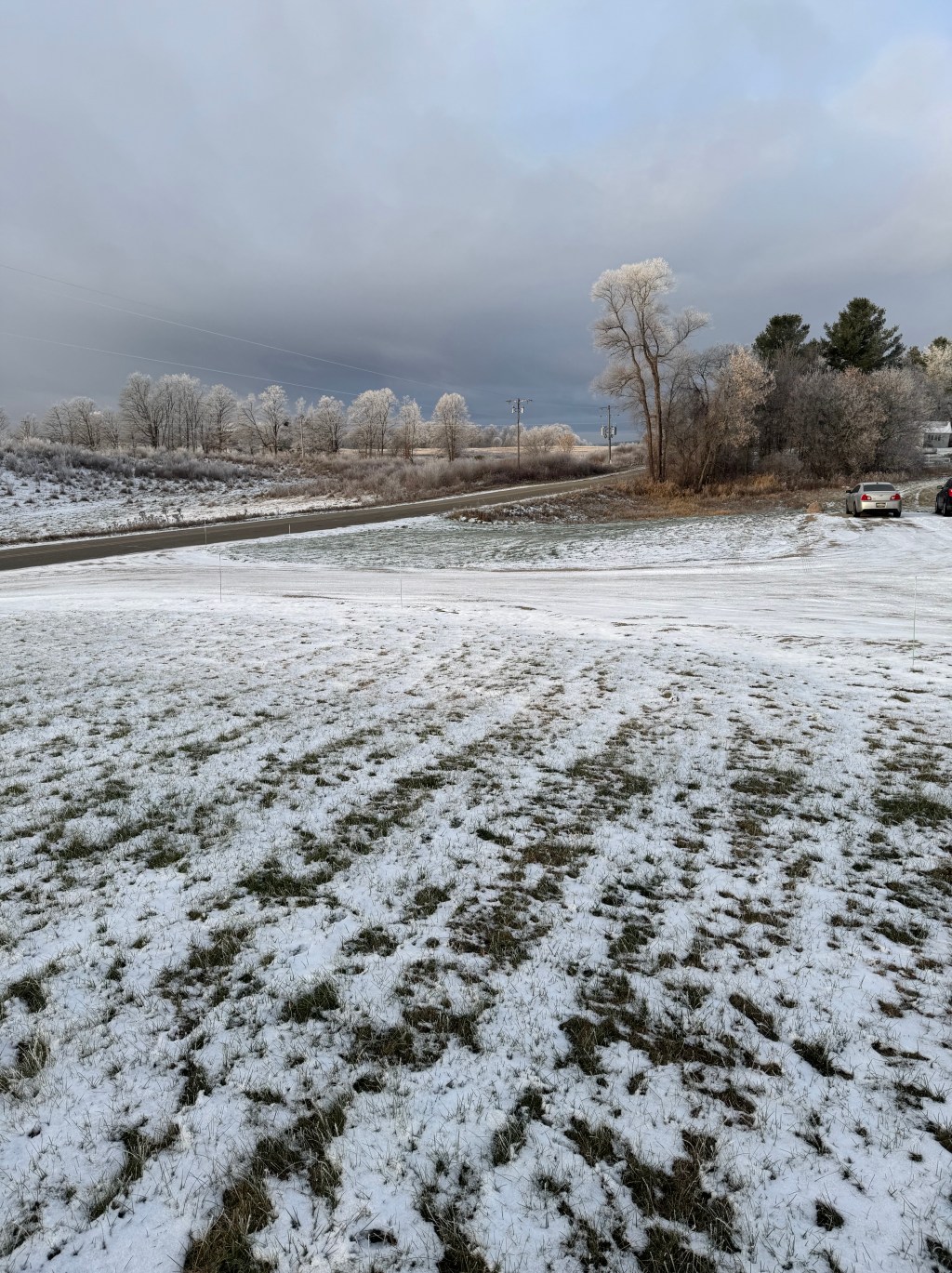
What follows are my favorite haiku. They are from other works, fiction stories that I have written over the past twenty-some years. One or two are from my contributions to the newspaper column. I have slightly rewritten some of them to make them shorter—shorter is better with haiku. Microsoft Word provided the translations. Now, you can view related images as I read these in English: https://youtu.be/PjK9PSq7dyM
1
Corn stalks quiver in the breeze
The air is so clear
—After the storm
1
トウモロコシの茎がそよ風に震える
空気がとても澄んでいます
—嵐の後
2
A thin ripple of clouds
Spread low across the western sky
—Vermilion lined with gold, in autumn
2
薄い雲の波紋
西の空に低く広がる
—秋には金で裏打ちされた朱色
3
The poplar grove that edges into sumac
On the rise where the sun sets
Makes a crazed crackle on the edge of the world
3
ウルシに縁取られたポプラの木立
日が沈む昇りに
世界の果てで狂ったようなパチパチ音を立てる
4
The furrowed fields
Turn to mounds and dimples under snow
When winter comes
4
畝のある畑
雪の下でマウンドやくぼみに変わります
冬が来たら
5
The wind gust that lifted the morning haze
Spread yellow leaves into the air
—A thousand confetti
5
朝の靄を晴らした突風
黄色い葉を空中に広げる
—紙吹雪千枚
6
Out by the road
Blackbirds cling to last year’s cattails
—Bobbing in a sudden gale
6
道路沿いに出る
クロウタドリは昨年のガマにしがみつきます
—突然の強風に揺れる
7
The summer fields glint and swirl
In sunlight broken loose
From the hurtling clouds
7
夏の野原はきらめき、渦巻く
日光の中で解けて
疾走する雲から
8
Snow glints on the hills,
And in the gully, the pine grove
Casts a blue shadow
8
丘に雪がきらめき、
そして、峡谷には松林があります
青い影を落とす
9
Winter started
The way it always did—
The sleet came before the snow
9
冬が始まりました
いつもそうだったように――
みぞれは雪が降る前にやって来た
10
The noise of it
—Sleet falling
In the cattail rush
10
その騒音、
摩耗が落ちる
ガマラッシュで
11
Noise from the alley
Falls through the open window
Because it is spring
11
路地からの騒音
開いた窓から落ちる
春だから
12
An old elm tree, knee deep
In a yellow wheat field:
Will it drown in the waves?
12
膝の深さの古いニレの木
黄色い小麦畑では:
波に溺れてしまうのでしょうか?
13
Hailstones blown by the storm—
I mistook them
For cherry blossom petals
13
嵐によって吹き飛ばされた雹――
私は彼らを間違えました
桜の花びらに
14
Studying van Gogh’s Irises,
I could think only of the yellow light
And the long shadows of spring afternoons
14
ゴッホの菖蒲を研究し、
黄色い光しか思い浮かびませんでした
そして春の午後の長い影
15
I stood, studying van Gogh’s Irises
—The woman next to me wore
Lily of the valley perfume
15
私は立ってゴッホの「菖蒲」を研究していました
—隣の女性が着ていた
スズランの香水
 johnbattle1.blog
Leave a comment